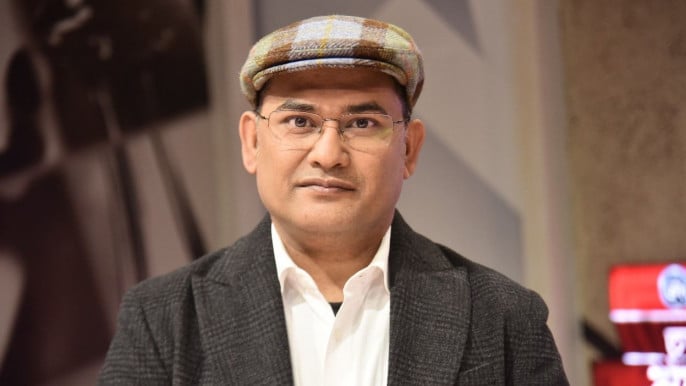
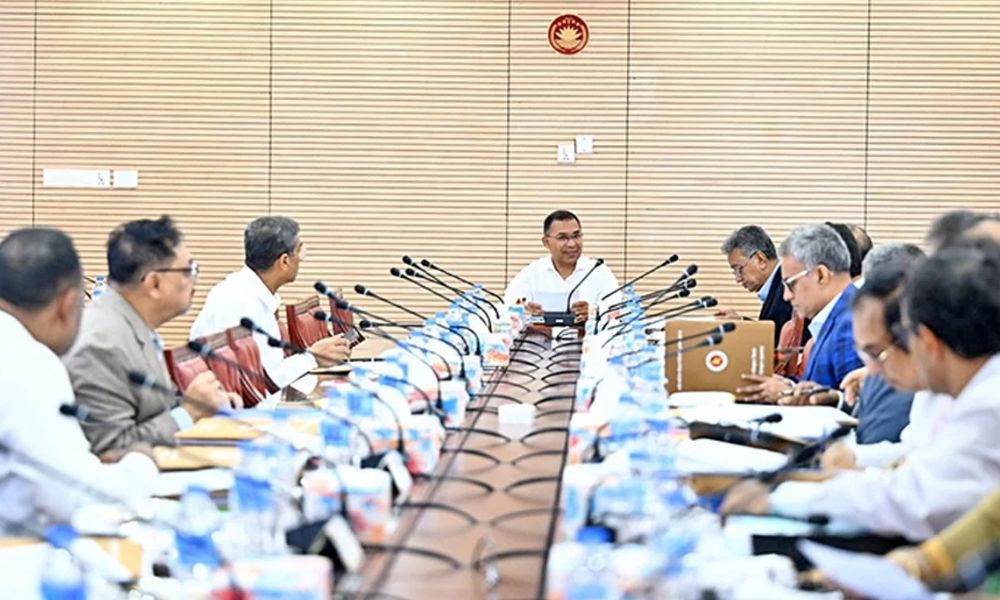
Dr. Md. Saimum Parvez Outlines Three Priorities for Bangladesh at Mangrove Alliance for Climate Ministerial Meeting Antalya (Turkiye), 17 November: Dr. Md. Saimum Parvez, Special Assistant to the Prime Minister on Environment, Forest and Climate Change, has called for stronger international cooperation on mangrove restoration, blue carbon monitoring, and the development of joint projects eligible for climate finance. Representing Bangladesh at the Fourth Ministerial Meeting of the Mangrove Alliance for Climate (MAC), held on today on the sidelines of COP31 in Antalya, Turkiye, Dr. Parvez presented these proposals. The meeting, convened by the United Arab Emirates (UAE), brought together ministers, senior government officials and representatives from various countries. Co-led by the UAE and Indonesia, the Alliance works to address climate change through mangrove conservation and restoration. According to official information published by Indonesia in January 2026, the Alliance has 47 member countries. Highlighting the importance of the Sundarbans, the world’s largest contiguous mangrove forest spanning Bangladesh and India, he noted that the forest helps reduce the impacts of storm surges, provides breeding and nursery habitats for fish, and stores carbon in trees and soils. He stressed that the health of the Sundarbans is closely linked to the safety of homes and the income security of coastal households. Dr. Md. Parvez highlighted the nationwide programme to plant 250 million trees over five years under the leadership of Prime Minister Tarique Rahman. He emphasised the importance of conserving existing coastal mangroves, supporting natural regeneration, and planting native species in suitable locations. He noted that integrating canal rehabilitation with coastal protection initiatives would improve drainage, strengthen the protection of settlements, and enhance coastal livelihoods. On climate finance, Dr. Parvez highlighted initiatives to establish a National Climate Finance Committee chaired by the Prime Minister and to strengthen the Bangladesh Climate Change Trust. He informed the meeting that Bangladesh has been selected to prepare an investment plan under the Climate Investment Funds ARISE programme, with a view to seeking up to USD 30 million in financing. The investment plan will prioritise coastal protection, mangrove restoration and climate-resilient livelihoods. Dr. Md. Parvez proposed three priority areas for cooperation under the Alliance. First, facilitating the exchange of practical, field-level experiences among mangrove restoration teams and local communities. Second, developing harmonised methodologies for forest restoration, coastal protection and blue carbon monitoring. Third, preparing bankable joint projects involving two or more member countries. -2- Referring to Bangladesh’s national carbon market framework currently under development and its planned national registry, he observed that carbon credits could provide financing for long-term forest management if mangrove restoration delivers additional, durable and independently verifiable carbon benefits. He stressed the importance of preventing double counting and ensuring the equitable sharing of benefits with coastal communities. Dr. Parvez expressed Bangladesh’s interest in working with interested member countries to develop and implement initial joint projects. The meeting was also attended by Dr. Amna bint Abdullah Al Dahak Al Shamsi, Minister of Climate Change and Environment of the United Arab Emirates; Diaz Faisal Malik Hendropriyono, Deputy Minister of Environment of Indonesia; Thoriq Ibrahim, Minister of Environment of the Maldives; and Ambassador Willem van de Voorde, Special Envoy for Climate and Environment of Belgium, along with ministers, senior officials and representatives from various countries.